A lawn is the most water-intensive surface an inland yard can have, and for a lot of front yards it is barely used. Converting it to low-water planting is one of the clearest ways to cut a summer bill. Done well it looks intentional and full. Done carelessly it looks like a parking lot, so the design matters as much as the plant list.
Removing the lawn
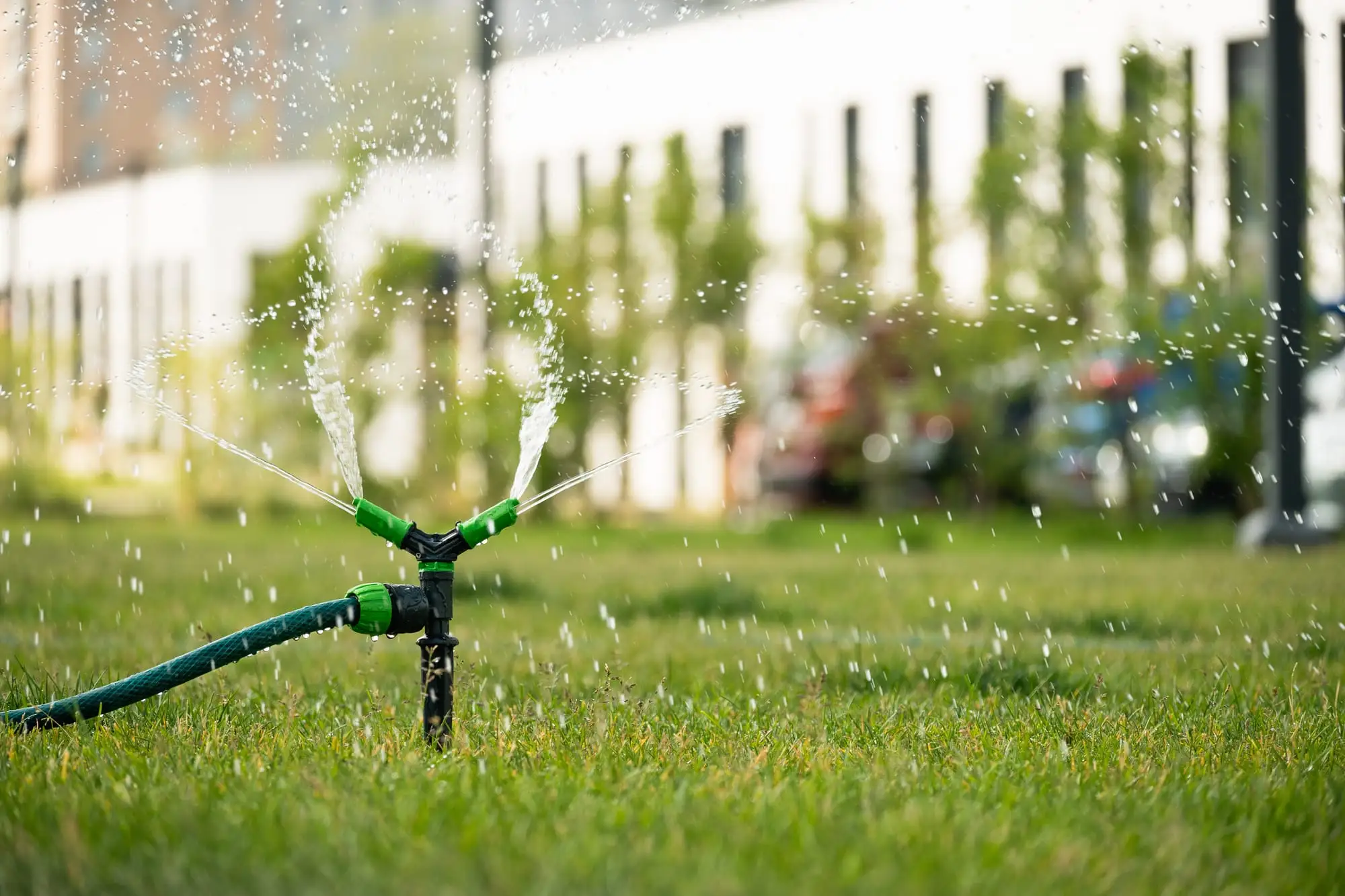
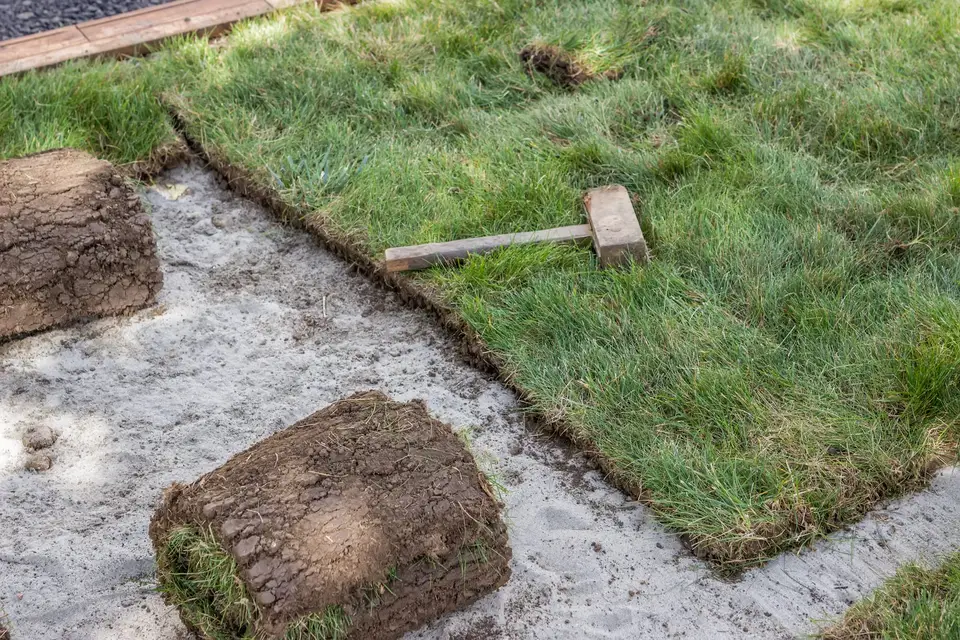
There are two common methods. A sod cutter lifts the turf in strips that get hauled away, which is fast and lets planting start the same week. Sheet mulching smothers the grass under cardboard and a deep mulch layer over a couple of months, which is cheaper and improves the soil but needs time. Either way, the existing spray heads get capped at the lateral line, not just unscrewed, and the system is reworked for drip.
Soil, grade and the plant palette
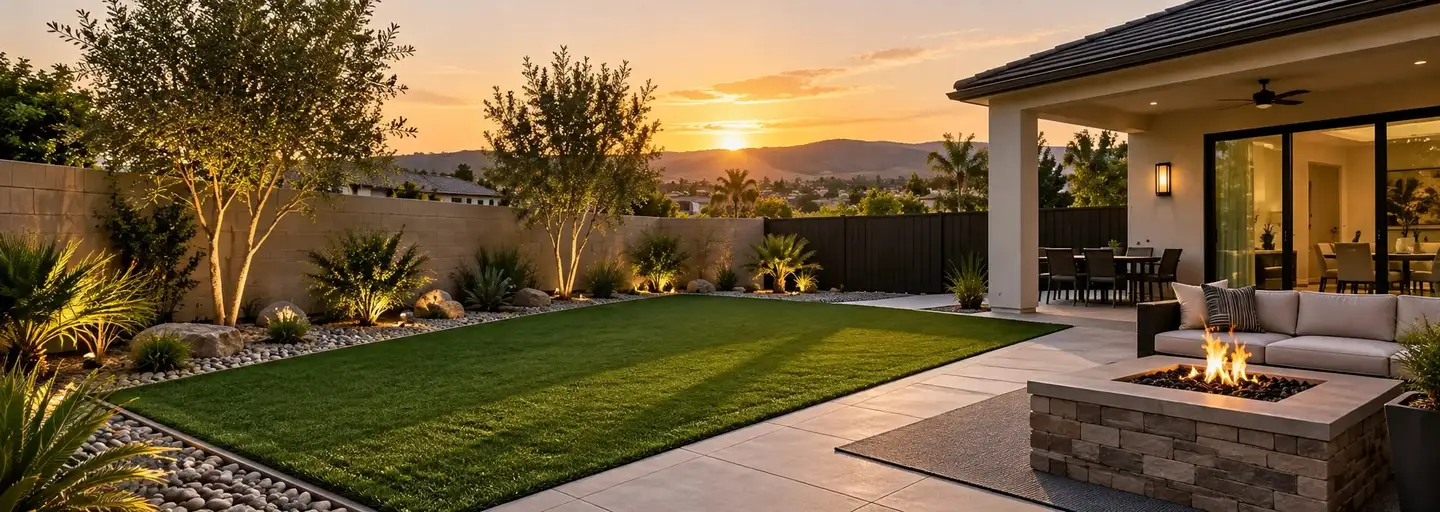
Lawn soil is usually compacted, so compost gets tilled in and the surface is graded to keep water on the beds and off the hardscape. Decomposed granite paths and sitting areas are cut to depth over a compacted base with a stabiliser, and edged so they hold their line. The planting is the part that decides how it reads: inland natives and Mediterranean species — manzanita, sage, buckwheat, salvia, ornamental grasses, a few accent succulents — grouped into hydrozones so the drip controller can water a fern bed and a rosemary hedge on separate schedules. A deep mulch layer between the plants holds moisture and keeps weeds down while everything fills in.
California's water-efficiency ordinance caps how much high-water plant material and irrigated area a qualifying project can have, and a design built around this palette clears that comfortably.
The rebate paperwork
Southern California water agencies have run turf-replacement rebates that pay per square foot of lawn removed. The terms change, and they come with rules about plant coverage, mulch depth and drip irrigation that have to be met to get paid. The application usually wants before-and-after photos and a plant count. It is worth confirming what is active through your water provider before any turf comes out, because the before photos have to be taken while the lawn is still there.
The first summer after planting runs on a heavier establishment schedule that gets tapered down as roots take hold. After that, a water-wise landscape is genuinely low-maintenance — a monthly visit plus seasonal pruning keeps most of them sharp.